Adult studies of benzodiazepine efficacyLeppik et al. conducted the first study with a head-to-head comparison of benzodiazepine use in patients with SE. Patient selection included adults with convulsive, partial, absence, partial complex, and partial elementary seizure activity. A 2-ml study drug of either 5 mg of diazepam or 2 mg of lorazepam was provided in an amber syringe used to blind the provider.
A second equivalent dose of the same study drug was provided in the event and a repeat dose was indicated after 10 min for recurrent seizures. Most patients were given a loading dose of phenytoin 30 min after initial treatment regardless of recurrence. Because no clinical standard for benzodiazepine administration existed, it was considered ethically sound to provide treatment with either diazepam or lorazepam. Retrospectively, only 70 patients fit all criteria and were selected for study; 33 were treated with diazepam and 37 with lorazepam, with no statistical difference in age or type of seizure. Seizure activity ceased with a single dose of diazepam in 58% of 33 episodes compared with 78% of 37 episodes after lorazepam administration, which did not reach statistical significance.

In patients with recurrent seizures requiring a second dose, six of 13 patients in the diazepam group experienced seizure cessation versus four of eight patients in the lorazepam group, also not reaching statistical significance. Overall, treatment with diazepam was successful 76% of the time in patients who were given either one or two doses and 89% of the time in patients treated with lorazepam. There was no significant difference noted in the onset of action, measured by the time the drug was given until the time of seizure cessation.

Adverse effects were also studied between the two groups including respiratory depression/arrest, sedation, and hypotension, which were similar between the groups in approximately 12% of patients. Although the comparison of efficacy between intravenous diazepam and lorazepam did not reach statistical significance, Leppik et al. concluded that lorazepam was "at least as effective as diazepam in the initial treatment of SE" (p. 1454). A recommendation was made for further clinical experience to determine if lorazepam should replace diazepam for initial treatment.

Although it was a small sample size, this double-blind study was a welcome addition to the medical literature and sparked the conversation of alternate benzodiazepine use in patients with SE. The management of SE in the pre-hospital setting is usually carried out by paramedics while transferring the patient to the nearest medical facility. The airway should be protected, supplementary O2 given, and, if possible, IV access obtained.2 Finger-stick blood glucose should immediately be checked, vital signs obtained and a quick and targeted assessment made in the first 5 minutes. Benzodiazepines are the first-line agents to treat SE, whether it is in the pre-hospital or in-hospital setting.

Historically, there has been very little literature on out-of-hospital treatment; this was addressed in a 2001 study comparing lorazepam, diazepam, and placebo for the treatment of SE in the prehospital setting (Alldredge et al., 2001). This randomized, double-blind trial investigated not only a comparison of the two different benzodiazepines but also the efficacy and safety of treating patients with SE prior to hospital arrival. Paramedics of the San Francisco Department of Public Health and 10 area hospitals were involved in the trial.
Between 1994 and 1999, 205 adult patients presenting with tonic-clonic seizure activity in SE were enrolled in the study. Status epilepticus in this particular study was defined as "continuous or repeated seizure activity for more than five minutes without recovery of consciousness" (p. 632). Each patient enrolled in the study received 5 mg of diazepam, 2 mg of lorazepam, or placebo intravenously. Because of the fact that delaying treatment until ED arrival was routine practice at that time, administering placebo was not considered to be an ethical concern. For recurrent or continued seizures, a second dose was given after 4 min. The study kits contained identical contents and colored glass syringes to ensure blinding.

Open-label diazepam was available in the event of a life-threatening situation. Paramedics recorded the presence of seizure activity, level of consciousness, respiratory status, and cardiovascular function every 5 min. Seizure cessation prior to arrival in the ED was the primary outcome measured, which was determined by clinically evident seizures or those witnessed on the EEG in a comatose patient. Secondary outcomes included duration of SE, out-of-hospital and transfer complications, neurological outcome and discharge, and disposition of the patient from the ED. Demographics among the three treatment groups did not vary significantly.

Status epilepticus was terminated prior to arrival in the ED in 59% of patients in the lorazepam group, 43% in the diazepam group, and 21% in the placebo group. The odds ratio indicated that seizure cessation was more likely with lorazepam and diazepam than that with placebo and favored lorazepam over diazepam but did not reach significance. It was also noted that the duration of SE was shorter in the lorazepam group than in both the placebo and diazepam groups, but it only reached significance when lorazepam versus placebo was compared. Out-of-hospital complications including respiratory or cardiovascular compromise occurred in 10% of patients in both the lorazepam and diazepam groups and 23% of the placebo group.

In addition, patients with seizure cessation prior to arrival in the ED had a much lower rate of admission to the hospital (73% vs. 32%). Alldredge et al. concluded that the trial provided clear evidence that intravenous benzodiazepine use is safe and effective in the prehospital setting and lorazepam was favored over diazepam. This trial was important because it encouraged the use of antiepileptics for the prehospital treatment of SE-a change from the previously common practice of delaying treatment until arrival in the ED. It is extremely important to recognize and control SE since prolonged SE can quickly develop into refractory SE, which is very difficult to treat .
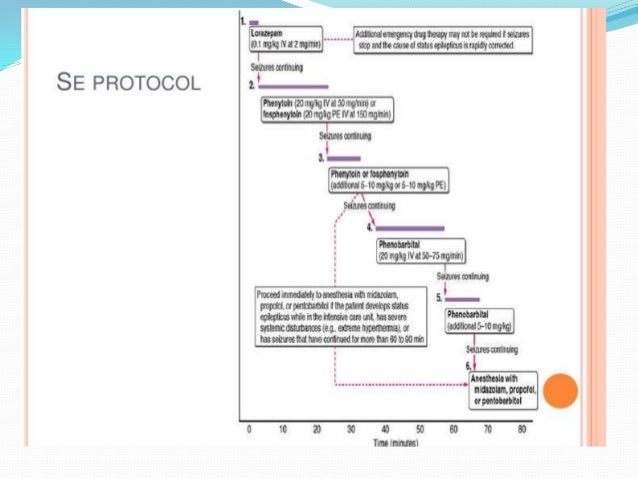
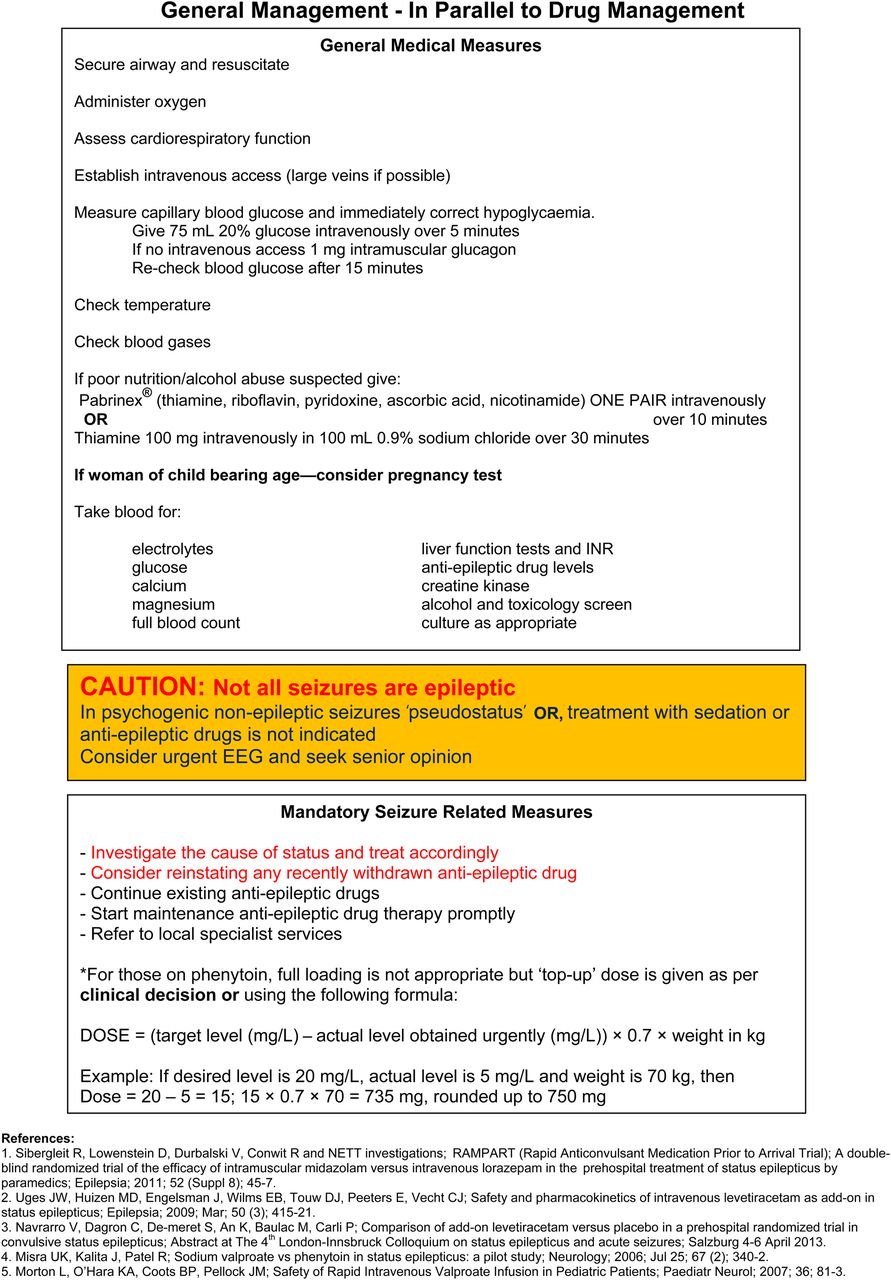
In addition, prompt SE treatment is essential to prevent mortality and the progressive brain damage that produces neurological morbidities. Treatment of SE begins with medical stabilization of the patient with an initial focus on respiratory and circulatory stabilization. Further evaluations are then made looking for underlying causes of SE (metabolic disturbances, infections, etc.) and treatments are provided to correct them. Following these emergency stabilizations of the patient's physiological status, treatment of SE is rapidly initiated using currently accepted first line drugs for stopping SE.
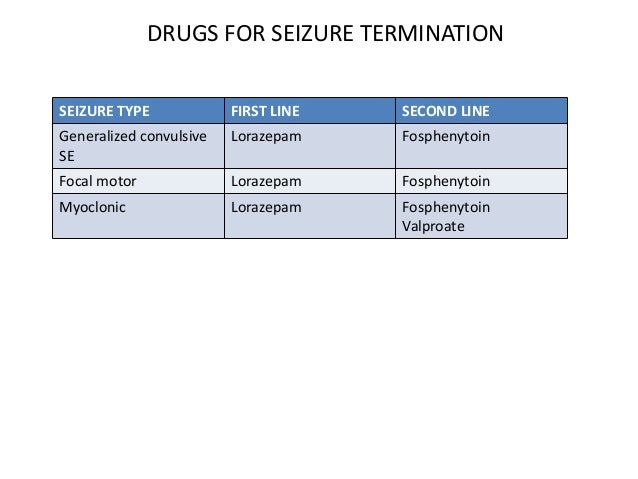
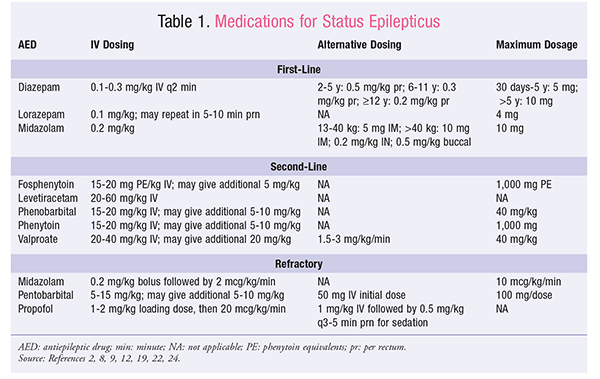
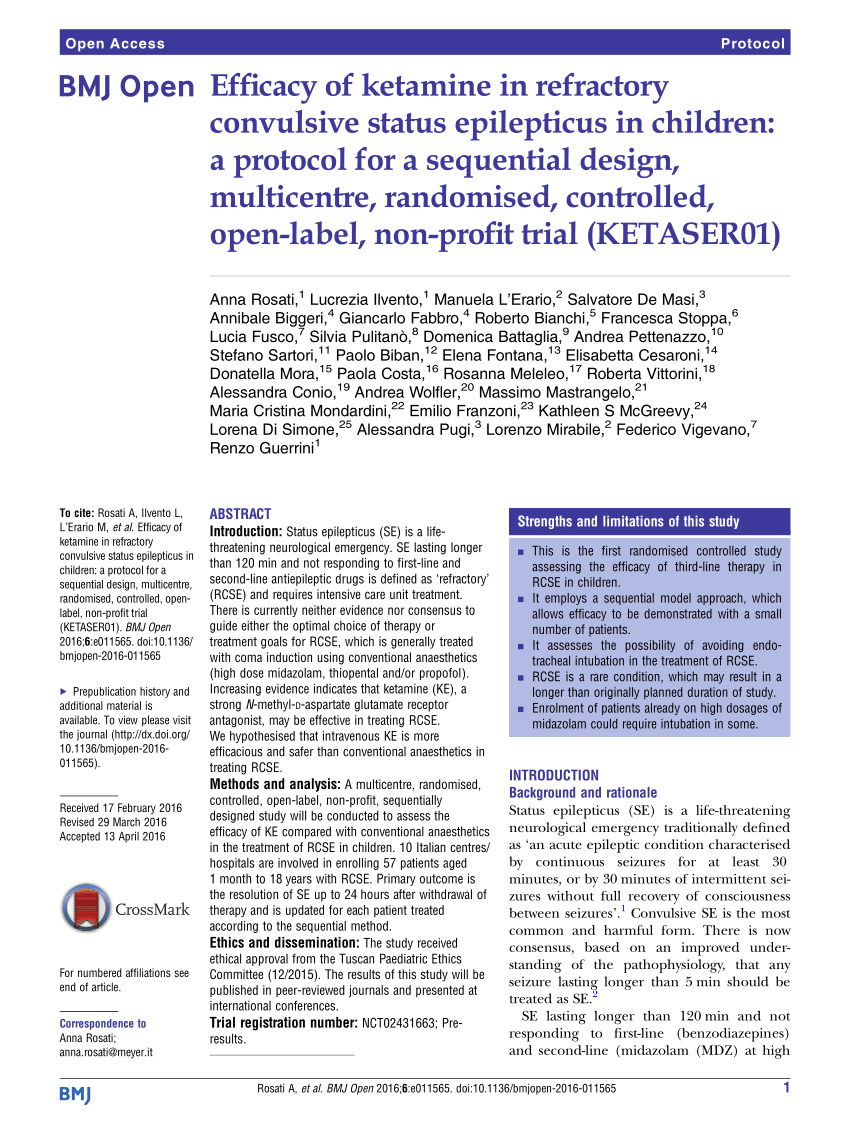
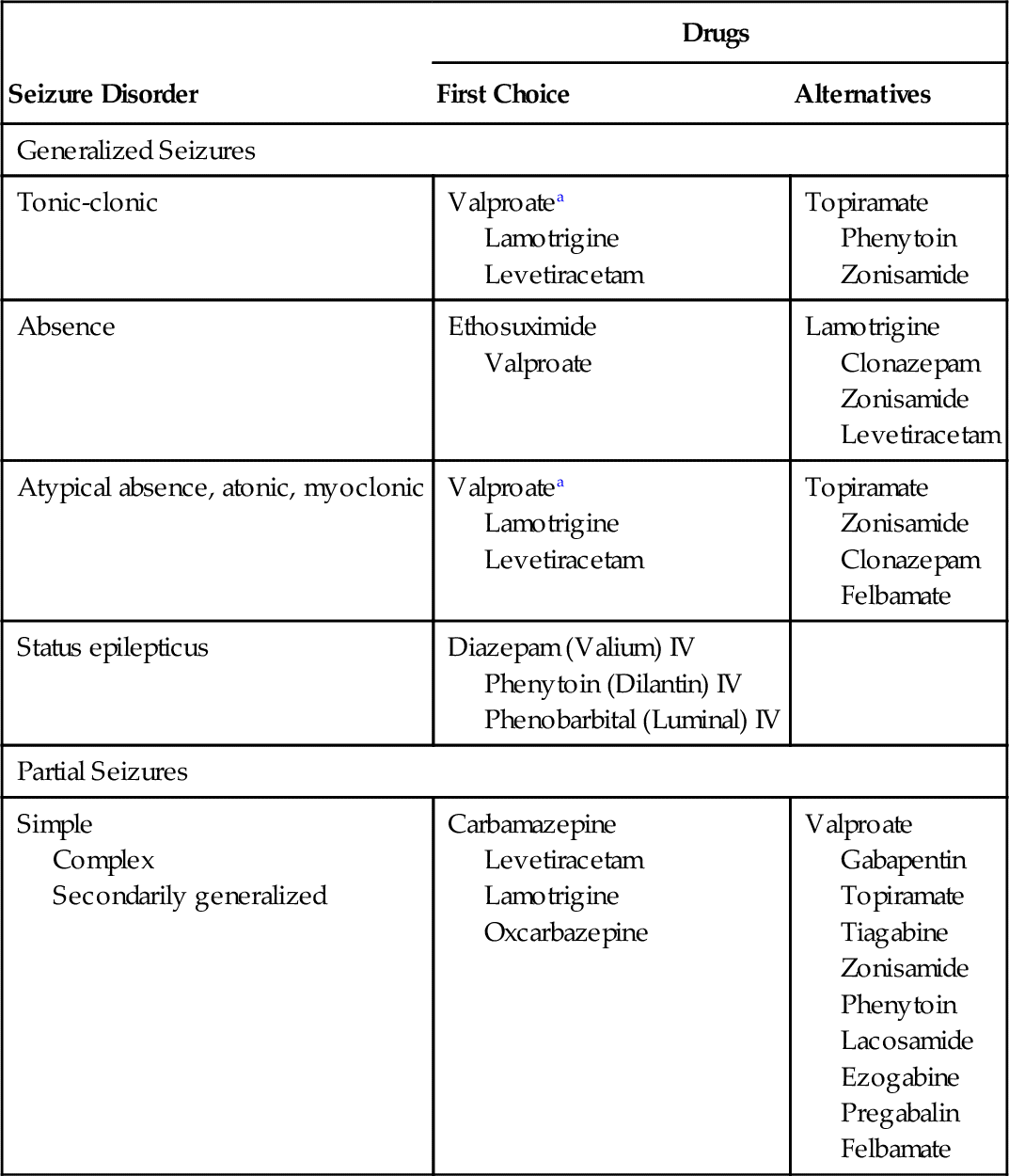
This usually includes immediate treatment with benzodiazepines such as midazolam, diazepam, or lorazepam. The second-line of drugs to control SE include fosphenytoin, phenytoin, phenobarbital, and valproic acid. Clinical trials have shown that patients treated within 20 min of SE had better prognoses than those who did not respond within 20 min . However, epidemiological studies have shown that time to seizure treatment varies broadly with only about 41% of all patients receiving their first anti-epileptic drug within 30 min . In such a scenario, the treatment options become extremely limited to drugs such as pentobarbital, midazolam, or propofol. Topiramate and ketamine are used as additive agents to benzodiazepines and first line drugs to control refractory SE .

However drug interactions, side-effects, pharmacoresistance, CNS depression, all add to the medical complexity of treating SE effectively and highlight the need to develop additional agents to treat SE. In convulsive status epilepticus , achieving seizure control within the first 1–2 hours after onset is a significant determinant of outcome. Treatment is also more likely to work and be cost effective the earlier it is given. Initial first aid measures should be accompanied by establishing intravenous access if possible and administering thiamine and glucose if required. Calling for help will support efficient management, and also the potential for video-recording the events. This can be done as a best interests investigation to inform later management, provided adequate steps to protect data are taken.
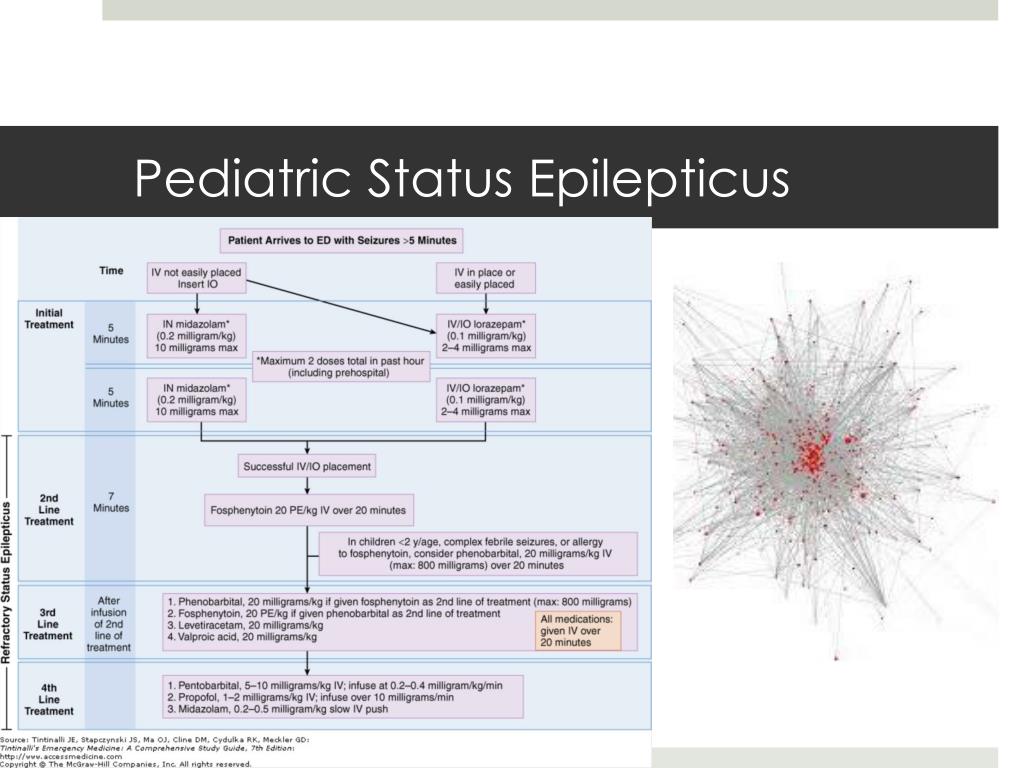
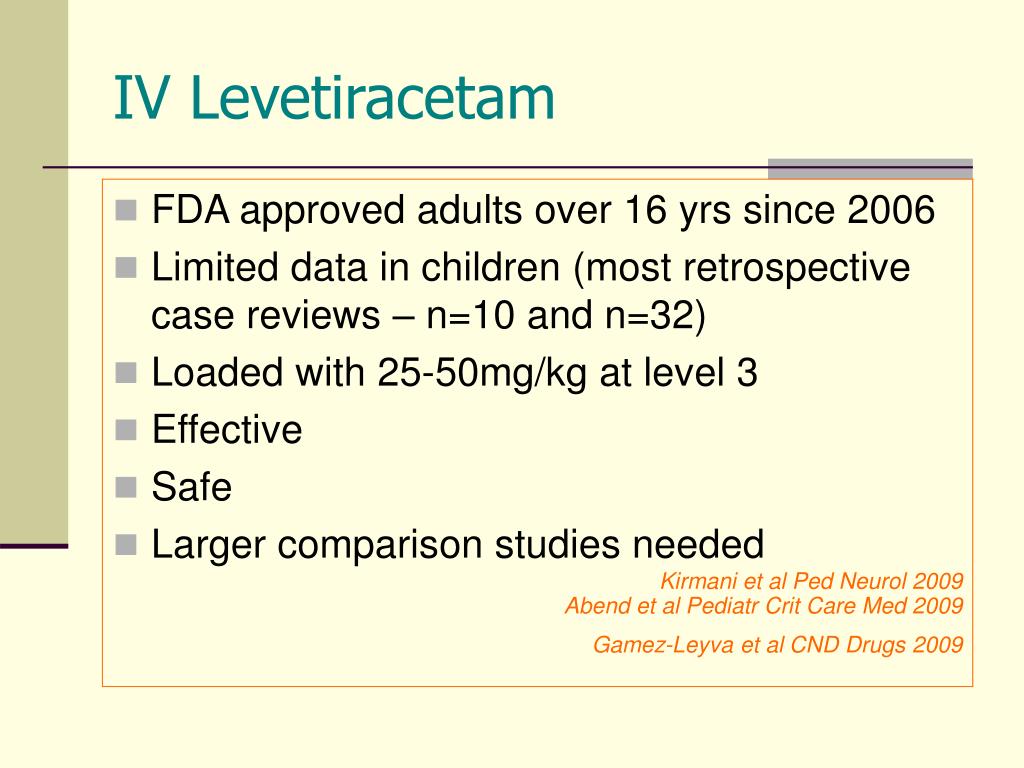
There is high quality evidence supporting the use of benzodiazepines for initial treatment. Midazolam has the most evidence where there is no intravenous access, with the practical advantages of administration outweighing the slightly slower onset of action. Speed of administration and adequate initial dosing are probably more important than choice of drug. Although only phenytoin and phenobarbitone are licensed for established SE, a now considerable body of evidence and international consensus supports the utility of both levetiracetam and valproate as options in established status.
Both also have the advantage of being well tolerated as maintenance treatment, and possibly a lower risk of serious adverse events. Two adequately powered randomized open studies in children have recently reported, supporting the use of levetiracetam as an alterantive to phenytoin. The results of a large double blind study also including valproate are also imminent, and together likely to change practice in benzodiazepine-resistant SE. Status epilepticus should be treated as quickly as possible with full doses of medications as detailed in a written hospital protocol. If intravenous access is not immediately available, then rectal diazepam or nasal or buccal midazolam should be given. Prehospital treatment of seizures by emergency personnel is effective and safe, and may prevent cases of refractory SE.
Home treatment of prolonged seizures or clusters with buccal, nasal, or rectal benzodiazepines should be considered for all at-risk patients. An electroencephalogram should be obtained immediately in anyone with unexplained alteration of behavior or mental status and after convulsive SE if the patient does not rapidly awaken. Delay in diagnosis of SE is associated with a worse outcome and a higher likelihood of poor response to treatment. For refractory SE, continuous intravenous midazolam and propofol are rapidly effective. Randomized trials are needed to determine the best treatment for SE after lorazepam. SE can occur in dogs with idiopathic epilepsy , structural epilepsy or reactive seizures .

In general, 0.5–2.6% of dogs are admitted to the emergency hospital for SE . Among the population of dogs presenting to hospital for seizures, 16.5% manifest SE and the latter has been identified as the first clinical manifestation of an epileptic seizure disorder in 58% of dogs . Studies showed that 32–40%, 27–59%, and 7–23% of dogs with structural epilepsy, IE, and reactive seizures, respectively, can present with SE . SE can lead to permanent brain damage (e.g. neuronal cell necrosis, network reorganization, gliosis) and severe systemic complications (e.g. cardiorespiratory collapse, shock, acidosis, electrolyte imbalances) .
The occurrence and severity of SE-induced complications are proportionally related to the duration of seizure activity . With regard to the survival rates, an overall mortality rate of 25.3–38.5% among all dogs presented with SE has been reported . Therefore, clinicians or owners should quickly intervene to cease the continuous seizure activity either in hospital or at home, respectively . Owners, in particular, have a substantial role in seizure control because appropriate administration of antiseizure drugs at home could prevent seizure progression to SE or reduce the risk of progression to more refractory stages. First-line management is of paramount importance and should include drugs with high potency and rapid onset of action. Benzodiazepines have been exclusively used for decades in humans and animals as first-line antiseizure treatment due to their high potency and rapid onset of action .
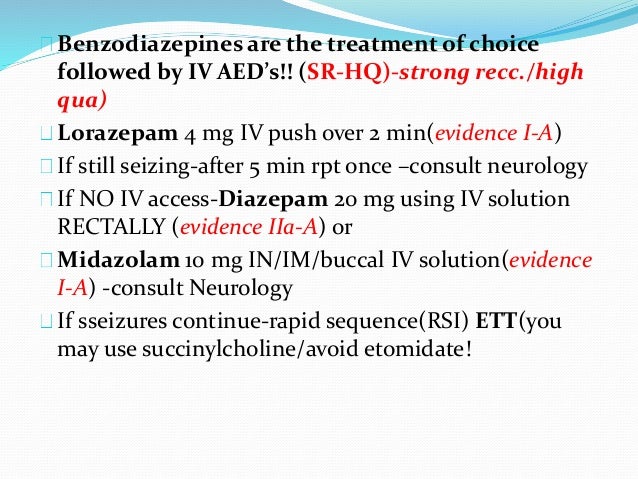
Benzodiazepines are recommended universally as the first-line therapy to address acute SE, and the choice of agent and route should account for drug properties, technical requirements, and comparative efficacy. When intravenous access is available, the literature suggests that lorazepam shows the best efficacy for seizure cessation while providing consistent CNS concentrations along with a favorable safety profile. Continued research should focus on drugs or combinations of drugs that achieve consistent cessation of seizure activity. In addition, limited data exist to describe the effect of drug selection on long-term outcomes in these patients.
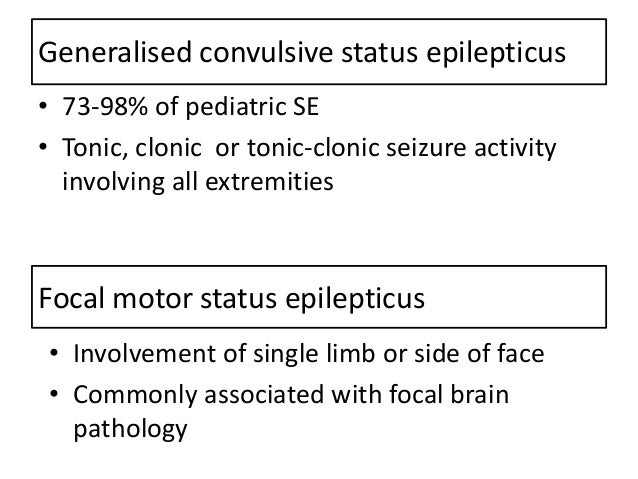
Because of evidence of low rates of respiratory and cardiovascular compromise with benzodiazepine use in SE, it may be worthwhile to conduct research on higher doses of benzodiazepine use in an effort to increase efficacy. Occurring in about 8% of all comatose patients without clinical signs of seizure activity , and persisting in 14% of patients after generalized convulsive status epilepticus , and constitutes approximately 20 to 25% of status epilepticus cases . Patients who have generalized seizures that continue for more than 5 min should be considered to have status epilepticus and should be treated with a single IV dose of lorazepam (0.1 mg/kg). Patients who continue to have clinical or EEG evidence of seizure activity after receiving treatment with lorazepam should be considered to have refractory status epilepticus and should treated with a continuous infusion of propofol or midazolam . Status epilepticus is a life-threatening neurological medical emergency caused by the prolongation of a seizure that fails to terminate due to an imbalance between excitatory and inhibitory neurotransmitters/mechanisms in the brain. It is defined as a seizure lasting 5 minutes or more, or a recurrent seizure without a recovery phase.
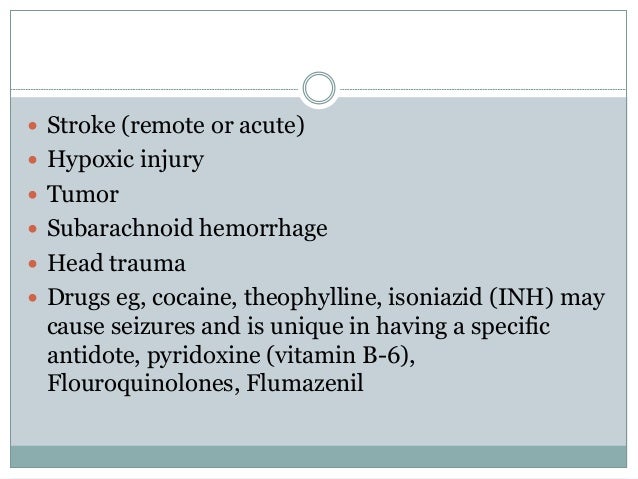
In 1983 Gastaut identified status epilepticus as, "when an epileptic seizure is so frequently repeated or so prolonged as to create a fixed and lasting condition". There is no established system for the classification of status epilepticus. Status epilepticus may be caused by epilepsy, stroke, infection, metabolic imbalance, cerebral trauma or cerebrovascular accidents, hypoxia, eclampsia, and drug toxicity. Status epilepticus must be differentiated from other disorders that may mimic the clinic presentation such as neuroleptic malignant syndrome, psychogenic nonepileptic seizures, delerium tremens, low blood sugar, and movement disorders. The incidence of status epilepticus is approximately 7 to 40 cases per 100,000/year.
Common risk factors in the development of status epilepticus include inadequate control of epilepsy, hypoglycemia, stroke, alcohol use, metabolic abnormalities, anoxia, hypoxia, tumors, and infections. Common complications of status epilepticus include cardiac dysrhythmia, metabolic derangements, autonomic dysfunction, neurogenic pulmonary edema, hyperthermia, rhabdomyolysis, and aspiration pneumonia. Brain injury can be minimized by; airway patency, adequate oxygenation/circulation, prevention of hypoglycemia, maintaining optimum body temperature, termination of a seizure by antiepileptic drugs. Lorazepam is a preferred benzodiazepine due to its low lipid solubility, rapid onset, long duration of action and high affinity to GABA receptor. Diazepam can be administered if lorazepam is not available or there is no IV access. The choice and route of administration of benzodiazepines for the treatment of acute status epilepticus in both prehospital and emergency department settings often vary by provider and institution.
Prehospital and ED care often involves intramuscular, intravenous, or rectal administration of these medications. Diazepam, lorazepam, and midazolam are available as parenteral formulations in the United States. A literature review of clinical trials and SE treatment guidelines was conducted in an attempt to identify which benzodiazepine and route are the best treatment option for adult patients with SE.

For initial treatment of SE in adults, intravenous lorazepam is the recommended drug of choice. However, evidence suggests that intramuscular midazolam has at least equal efficacy in prehospital settings and may be more appropriate for use in this environment. Despite the support of multiple clinical trials and treatment guidelines, inconsistencies in the treatment of acute SE continue to occur in both the prehospital and ED settings.

Status epilepticus is a common neurological emergency, with high morbidity and mortality, now defined as 5 minutes or more of continuous clinical and/or electrographic seizure activity or recurrent seizure activity without recovery between seizures. In observational studies, many disparities exist in management among different medical teams. Here, the author reviews evidence-based medicine data on this management, with emphasis on the use of drugs and electroencephalography. When a patient is still seizing thereafter, the second line is usually either IV phenytoin or IV valproate, where available. Status epilepticus or prolonged epileptic seizure activity is a common neurological emergency with a high mortality rate and, if left untreated, can lead to irreversible cerebral damage and systemic complications.

Fast and effective first-line management is of paramount importance, particularly in the at-home management of seizures where drug administration routes are limited. Benzodiazepines have been for decades exclusively used in veterinary medicine as first-line drugs based on their high potency and rapid onset of action. Various administration routes exist in dogs, such as oral, intravenous, intramuscular, rectal, and intranasal, all with different advantages and limitations. Recently, intranasal drug delivery has become more popular due to its unique and favourable characteristics, providing potential advantages over other routes of drug administration in the management of canine SE.

Benzodiazepines have been exclusively used in veterinary medicine for decades as first-line drugs based on their high potency and rapid onset of action. Clonazepam is more lipophilic than lorazepam, but less lipophilic than diazepam, making it therefore less prone to redistribution. Its long half-life of 17–55 hs and rapid onset of action makes it an attractive agent for emergency treatment of seizures and SE.

To date, there is limited evidence to support the use of IV clonazepam in the treatment of early SE. In one uncontrolled case series with SE treated with this drug, seizure cessation was reported in all patients after administration of doses between 0.25 and 0.75 mg, with no adverse effects reported . Adverse effects consisted exclusively of transient mild to moderate drowsiness occurring in 40 % of the patients. One study comparing IV clonazepam alone to clonazepam followed by levetiracetam in generalized CSE was reported to recruit in 2011, but final results have not been published yet . Convulsive status epilepticus is an emergency that is associated with high morbidity and mortality.

The outcome largely depends on etiology, but prompt and appropriate pharmacological therapy can reduce morbidity and mortality. Etiology varies in children and adults and reflects the distribution of disease in these age groups. Antiepileptic drug administration should be initiated whenever a seizure has lasted 10 minutes.
Immediate concerns include supporting respiration, maintaining blood pressure, gaining intravenous access, and identifying and treating the underlying cause. Initial therapeutic and diagnostic measures are conducted simultaneously. The goal of therapy is rapid termination of clinical and electrical seizure activity; the longer a seizure continues, the greater the likelihood of an adverse outcome. Common to all patients is the need for a clear plan, prompt administration of appropriate drugs in adequate doses, and attention to the possibility of apnea, hypoventilation, or other metabolic abnormalities. We have not identified any new high-quality evidence on the efficacy or safety of an anticonvulsant in stopping an acute tonic-clonic convulsion that would inform clinical practice. There appears to be a very low risk of adverse events, specifically respiratory depression.





No comments:
Post a Comment
Note: Only a member of this blog may post a comment.